
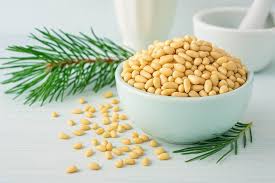
Pine nuts, also called pignoli or chilgoza, are tiny, buttery seeds harvested from certain pine trees. Despite their small size, they’re packed with essential nutrients, healthy fats, and bioactive compounds. These little nuts have been a staple in Mediterranean and Asian diets for centuries and are now popular worldwide for their health-boosting benefits.
In this article, we’ll explore the nutritional value, top health benefits, and everyday uses of pine nuts, supported by data tables for clarity.
Nutritional Profile of Pine Nuts
Pine nuts are a nutrient powerhouse, loaded with vitamins, minerals, and antioxidants.
Table: Nutritional Value of Pine Nuts (per 100g, USDA data)
| Nutrient | Amount | % Daily Value (DV) |
| Calories | 673 kcal | 34% |
| Protein | 13.7 g | 27% |
| Total Fat | 68 g | 105% |
| – Saturated Fat | 4.9 g | 25% |
| – Monounsaturated | 18.7 g | — |
| – Polyunsaturated | 34 g | — |
| Carbohydrates | 13 g | 5% |
| Fiber | 3.7 g | 15% |
| Sugars | 3.6 g | — |
| Vitamin E | 9.3 mg | 62% |
| Vitamin K | 53 µg | 44% |
| Magnesium | 251 mg | 63% |
| Zinc | 6.5 mg | 59% |
| Iron | 5.5 mg | 31% |
| Potassium | 597 mg | 13% |
Key takeaway: Pine nuts are high in healthy fats, protein, magnesium, zinc, and antioxidants, making them ideal for heart, brain, and metabolic health.
Top Health Benefits of Pine Nuts
Let’s dive into the proven health benefits of including pine nuts in your daily diet.
1. Boost Heart Health
The monounsaturated fats and polyunsaturated fats in pine nuts support cardiovascular health by lowering LDL (bad cholesterol) and increasing HDL (good cholesterol). They also reduce arterial inflammation.
Table: Heart-Healthy Nutrients in Pine Nuts
| Nutrient | Role in Heart Health |
| Monounsaturated fats | Reduce LDL cholesterol, protect arteries |
| Polyunsaturated fats | Maintain blood pressure, prevent clotting |
| Magnesium | Regulates heartbeat, relaxes blood vessels |
| Vitamin E | Protects cells from oxidative stress |
2. Aid in Weight Management
Though calorie-dense, pine nuts are rich in pinolenic acid, a fatty acid that stimulates the release of hormones like CCK (cholecystokinin), which reduce appetite and increase satiety.
Table: How Pine Nuts Help Weight Control
| Mechanism | Effect on Body Weight |
| Pinolenic acid | Increases satiety hormones |
| High protein content | Reduces cravings, supports metabolism |
| Fiber | Slows digestion, prolongs fullness |
3. Support Brain Function
Pine nuts are a natural brain booster thanks to their high content of omega fatty acids, iron, and magnesium.
| Nutrient | Cognitive Benefit |
| Omega-3 fatty acids | Improve memory and mental clarity |
| Iron | Increases oxygen supply to brain cells |
| Magnesium | Supports neurotransmitter function, reduces stress |
| Zinc | Essential for learning and memory processing |
4. Strengthen Immunity
Packed with zinc, vitamin E, and antioxidants, pine nuts strengthen the immune system, making the body more resistant to infections.
| Nutrient | Immune Function |
| Zinc | Helps white blood cell production |
| Vitamin E | Protects immune cells from oxidative stress |
| Iron | Supports oxygen supply for immune cell activity |
5. Improve Skin and Hair Health
Pine nuts promote glowing skin and healthy hair due to their antioxidants and vitamin E content.
| Nutrient | Beauty Benefit |
| Vitamin E | Delays skin aging, prevents wrinkles |
| Antioxidants | Reduce free radical damage, brighten complexion |
| Protein | Strengthens hair follicles |
| Zinc | Reduces acne, promotes skin healing |
6. Enhance Bone Strength
Pine nuts provide magnesium, vitamin K, and phosphorus, essential for bone density and overall skeletal health.
| Nutrient | Role in Bone Health |
| Magnesium | Regulates calcium absorption |
| Vitamin K | Strengthens bone matrix, reduces fracture risk |
| Phosphorus | Builds and repairs bone tissue |
7. Regulate Blood Sugar
The healthy fats and protein in pine nuts slow down glucose absorption, helping maintain stable blood sugar levels, especially in people with diabetes.
| Mechanism | Benefit for Blood Sugar Control |
| High healthy fat content | Prevents glucose spikes |
| Protein | Stabilizes insulin response |
| Magnesium | Improves insulin sensitivity |
8. Reduce Inflammation
Chronic inflammation leads to diseases like arthritis, diabetes, and heart conditions. Pine nuts contain polyphenols and anti-inflammatory fatty acids that help fight inflammation.
9. Boost Energy Levels
Thanks to their iron, protein, and magnesium, pine nuts combat fatigue and improve stamina. Athletes and busy professionals often consume them as a natural energy booster.
| Nutrient | Energy Benefit |
| Iron | Supports hemoglobin, prevents fatigue |
| Magnesium | Improves muscle efficiency and reduces tiredness |
| Protein | Provides long-lasting energy release |
Pine Nuts vs Other Nuts
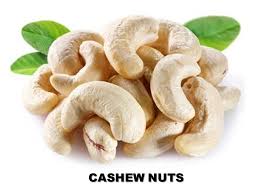
How do pine nuts compare to other popular nuts like almonds, walnuts, and cashews?
Table: Comparison of Pine Nuts with Other Nuts (per 100g)
| Nutrient | Pine Nuts | Almonds | Walnuts | Cashews |
| Calories | 673 | 579 | 654 | 553 |
| Protein (g) | 13.7 | 21.2 | 15.2 | 18.2 |
| Fat (g) | 68 | 49 | 65 | 44 |
| Magnesium (mg) | 251 | 268 | 158 | 292 |
| Iron (mg) | 5.5 | 3.7 | 2.9 | 6.7 |
| Zinc (mg) | 6.5 | 3.1 | 3.1 | 5.8 |
Conclusion: Pine nuts are higher in fat but richer in zinc and iron than most nuts, making them excellent for immune and energy support.
How to Add Pine Nuts to Your Diet
- Salads – Toasted pine nuts add crunch and flavor.
- Pesto – Classic Italian sauce made with pine nuts, basil, olive oil, and garlic.
- Baked Goods – Use in breads, cookies, or cakes.
- Smoothies – Blend with fruits for a nutrient boost.
- Snacking – Eat roasted pine nuts as a quick energy source.
Possible Side Effects
While generally safe, pine nuts may cause:
| Side Effect | Explanation |
| Pine Mouth Syndrome | Rare condition causing bitter taste after eating pine nuts |
| Allergic reactions | Some individuals may develop nut allergies |
| High calorie intake | Overeating may lead to weight gain |
Conclusion
Pine nuts are not just a tasty addition to meals but also a superfood for heart, brain, and immunity. With their rich nutritional profile and multiple health benefits, they deserve a place in your daily diet. Whether sprinkled on salads, blended into pesto, or eaten as a snack, these small nuts can make a big impact on your overall health.
FAQs
- Are pine nuts good for weight loss?
Yes, despite being calorie-rich, they contain pinolenic acid that suppresses appetite and helps control hunger. - Can diabetics eat pine nuts?
Absolutely. Their healthy fats and protein help regulate blood sugar levels. - Do pine nuts help with cholesterol?
Yes, pine nuts are rich in monounsaturated fats that lower LDL and raise HDL cholesterol. - Are pine nuts safe during pregnancy?
Yes, they provide iron, magnesium, and healthy fats, which are beneficial for pregnant women. However, consult a doctor if you have nut allergies. - How many pine nuts should I eat daily?
A small handful (about 1 ounce or 28g) is enough to gain health benefits without excess calories.