
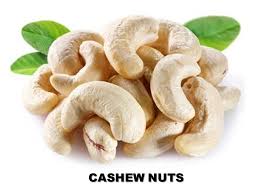
Cashew nuts are more than just a crunchy snack. These kidney-shaped seeds, harvested from the cashew apple, are packed with nutritional value and provide a wide range of health benefits. From boosting heart health to enhancing skin glow, cashews have earned a reputation as one of the healthiest nuts in the world.
In this comprehensive guide, we’ll explore the top benefits of cashew nuts, their nutritional profile, comparisons with other nuts, practical usage tips, and answer the most frequently asked questions.
Nutritional Value of Cashew Nuts
Cashew nuts are nutrient-dense, offering healthy fats, vitamins, minerals, and plant compounds.
Here’s a table showing the nutritional content of 100 grams of raw cashew nuts:
| Nutrient | Amount |
| Calories | 553 kcal |
| Protein | 18 g |
| Total Fat | 44 g |
| Saturated Fat | 8 g |
| Monounsaturated Fat | 23 g |
| Polyunsaturated Fat | 8 g |
| Carbohydrates | 30 g |
| Fiber | 3.3 g |
| Sugars | 6 g |
| Magnesium | 292 mg (73% DV) |
| Iron | 6.7 mg (37% DV) |
| Zinc | 5.8 mg (52% DV) |
| Copper | 2.2 mg (244% DV) |
| Vitamin K | 34 mcg (28% DV) |
| Vitamin B6 | 0.4 mg (20% DV) |
Key takeaway: Cashews are high in healthy fats, magnesium, zinc, and copper, all of which play a critical role in overall wellness.
Health Benefits of Cashew Nuts
1. Cashews Promote Heart Health
Cashews are rich in monounsaturated fats (similar to olive oil), which help reduce bad cholesterol (LDL) while increasing good cholesterol (HDL).
- Magnesium in cashews improves blood vessel elasticity.
- Copper helps prevent oxidative damage to arteries.
💡 Studies suggest that people who consume nuts regularly have a 37% lower risk of cardiovascular disease.
2. Cashews Aid in Weight Management
Although high in calories, cashews can help with weight control.
- Protein and fiber in cashews keep you full longer.
- Healthy fats improve metabolism.
A handful of cashews (28g) makes a perfect snack substitute for chips or processed foods.
3. Cashews Strengthen Bones
Cashews are loaded with magnesium, calcium, and phosphorus, all vital for strong bones.
| Nutrient | Role in Bone Health |
| Magnesium | Helps absorb calcium into bones |
| Phosphorus | Maintains bone structure |
| Copper | Supports collagen and bone tissue |
Eating cashews regularly may lower the risk of osteoporosis, especially in aging adults.
4. Cashews Improve Brain Function
Your brain needs healthy fats and minerals to function at its best.
- Copper in cashews boosts neurotransmitter activity.
- Zinc improves memory and cognitive processing.
- Healthy fats protect brain cells from oxidative stress.
Regular consumption is linked with lower risks of depression and anxiety.
5. Cashews Enhance Skin and Hair
Cashews are a natural beauty booster.
- Copper promotes collagen production, giving skin elasticity.
- Zinc fights acne-causing bacteria.
- Healthy fats keep skin moisturized.
- Iron improves blood circulation, giving a natural glow.
Cashew oil is also used in many hair masks for stronger, shinier hair.
6. Cashews Support Immunity
Packed with zinc and antioxidants, cashews strengthen the immune system.
- Zinc enhances white blood cell production.
- Vitamin K and B6 improve overall immunity.
- Antioxidants fight free radicals, reducing chronic disease risk.
Eating cashews regularly keeps your defense system ready against infections.
7. Cashews Help Control Blood Sugar
Cashews have a low glycemic index and contain nutrients beneficial for diabetes management.
- Magnesium improves insulin sensitivity.
- Healthy fats slow sugar absorption.
💡 A 2019 study found that eating cashews helped type 2 diabetes patients reduce fasting blood sugar levels.
8. Cashews Boost Male Fertility
Cashews are often called a fertility nut due to their rich zinc and selenium content.
- Zinc improves sperm count and quality.
- Selenium enhances sperm motility.
Including cashews in the diet can be a natural fertility booster for men.
9. Cashews Improve Eye Health
Cashews contain lutein and zeaxanthin, antioxidants that protect the eyes.
- Prevents age-related macular degeneration (AMD).
- Protects eyes from UV damage.
Snacking on cashews is an easy way to keep your eyesight sharp.
10. Cashews Reduce Risk of Gallstones
Frequent nut consumption, including cashews, has been linked with a 25% lower risk of gallstones due to their healthy fat and fiber content.
Cashews vs. Other Nuts
How do cashews compare with almonds, walnuts, and pistachios?
| Nut | Calories (100g) | Protein | Healthy Fats | Fiber | Key Nutrients |
| Cashews | 553 | 18g | 44g | 3.3g | Magnesium, Copper, Zinc |
| Almonds | 576 | 21g | 49g | 12g | Vitamin E, Calcium |
| Walnuts | 654 | 15g | 65g | 7g | Omega-3, Antioxidants |
| Pistachios | 562 | 20g | 45g | 10g | Vitamin B6, Potassium |
Conclusion: Cashews are lower in fiber but richer in magnesium, zinc, and copper, making them unique among nuts.
Best Ways to Add Cashews to Your Diet
- Snack raw or roasted – a handful daily.
- Cashew butter – a creamy alternative to peanut butter.
- Cashew milk – a dairy-free milk option.
- Cooking ingredients – use in curries, stir-fries, and desserts.
- Trail mixes – combine with almonds, raisins, and seeds.
Potential Side Effects of Eating Cashews
While cashews are healthy, moderation is key.
- Overeating may lead to weight gain.
- Salted cashews can raise sodium intake.
- Allergies – some people are allergic to tree nuts.
- Oxalates – may worsen kidney stones if consumed in excess.
Recommended serving size: 28g (about 16–18 cashews) per day.
FAQs
Q1. Are cashews good for weight loss?
Yes, cashews contain protein and fiber that help control appetite, making them a good snack for weight management when eaten in moderation.
Q2. Can cashews be eaten daily?
Absolutely. Eating a handful (about 28g) daily provides essential nutrients without excess calories.
Q3. Do cashews cause cholesterol problems?
No. Cashews actually lower LDL (bad cholesterol) and improve HDL (good cholesterol).
Q4. Are cashews safe for diabetics?
Yes. Cashews have a low glycemic index and improve insulin sensitivity.
Q5. Which is healthier: cashews or almonds?
Both are healthy. Almonds are richer in fiber, while cashews are higher in magnesium, zinc, and copper.
Conclusion
Cashew nuts are a powerhouse of healthy fats, plant protein, essential vitamins, and minerals. They benefit your heart, brain, skin, bones, and overall immunity, making them one of the best nuts to include in your daily diet.
Whether you enjoy them raw, roasted, or blended into creamy butter, cashews can significantly improve your health and well-being.
The bottom line: Eating a handful of cashews daily can boost your health naturally and deliciously.